




On the Saturday of the First Week after Pentecost, during Trinity Week, on the feast day of the Apostle Hermas of the Seventy and the Holy Martyr Hermias, the Divine Liturgy was celebrated in our parish church. The service was led by the rector of the parish, Archpriest Vadim Zakrevsky.
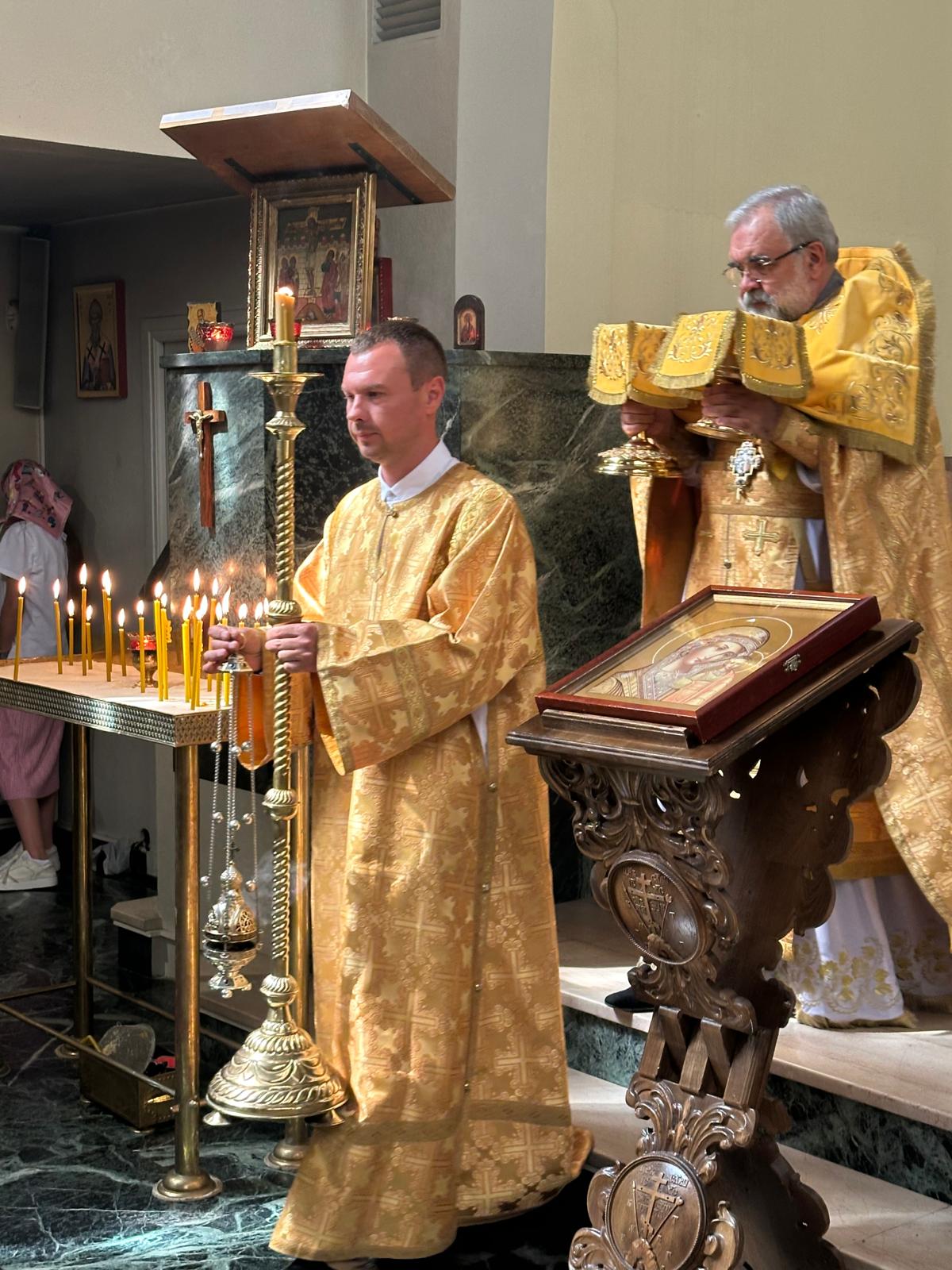
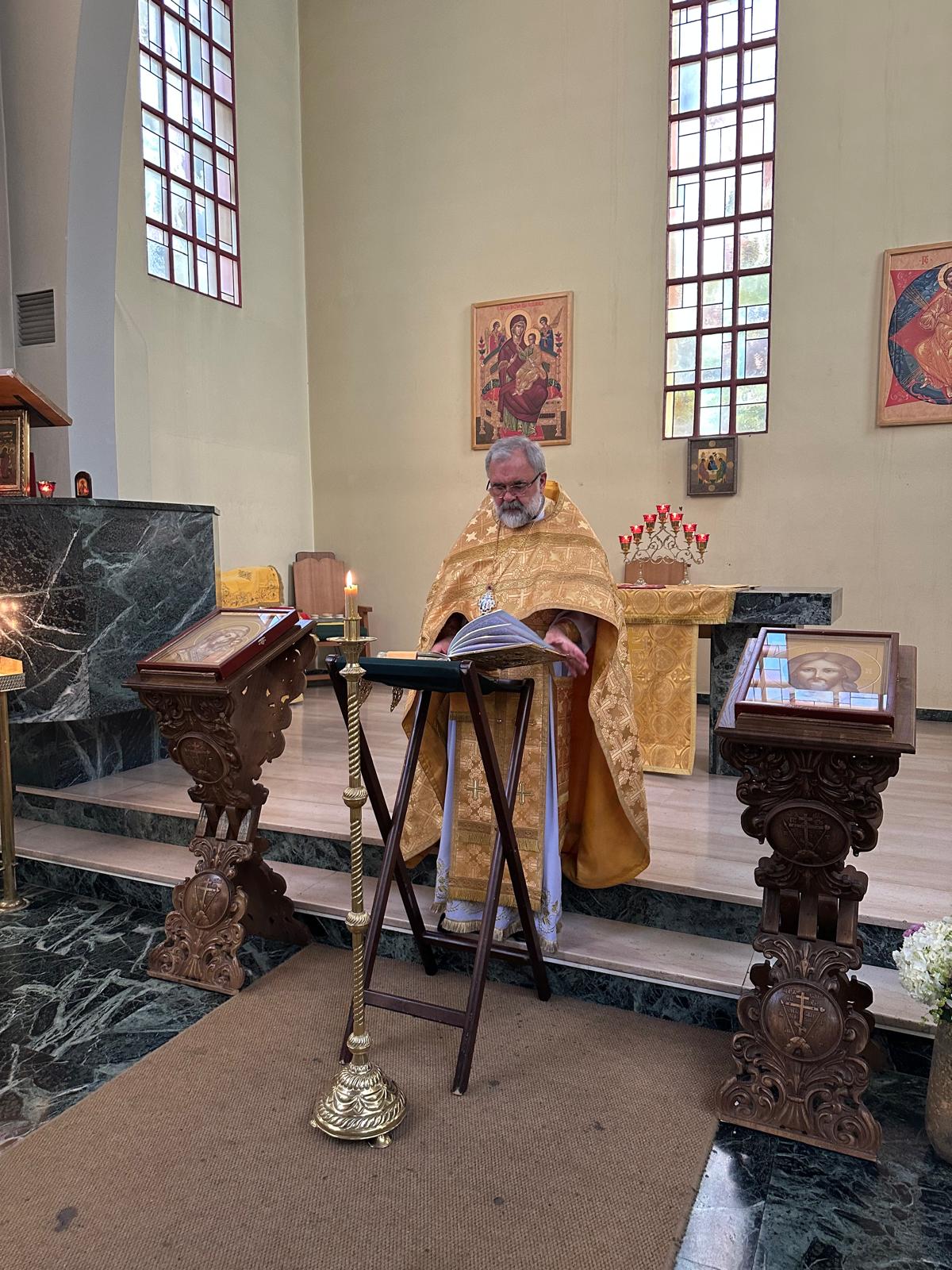
In his sermon, based on the Gospel reading appointed for the day, the rector drew the attention of the faithful to the distinction between fraternal correction and condemnation. Although the line between them can at times be very subtle, there is a fundamental difference between these two attitudes.
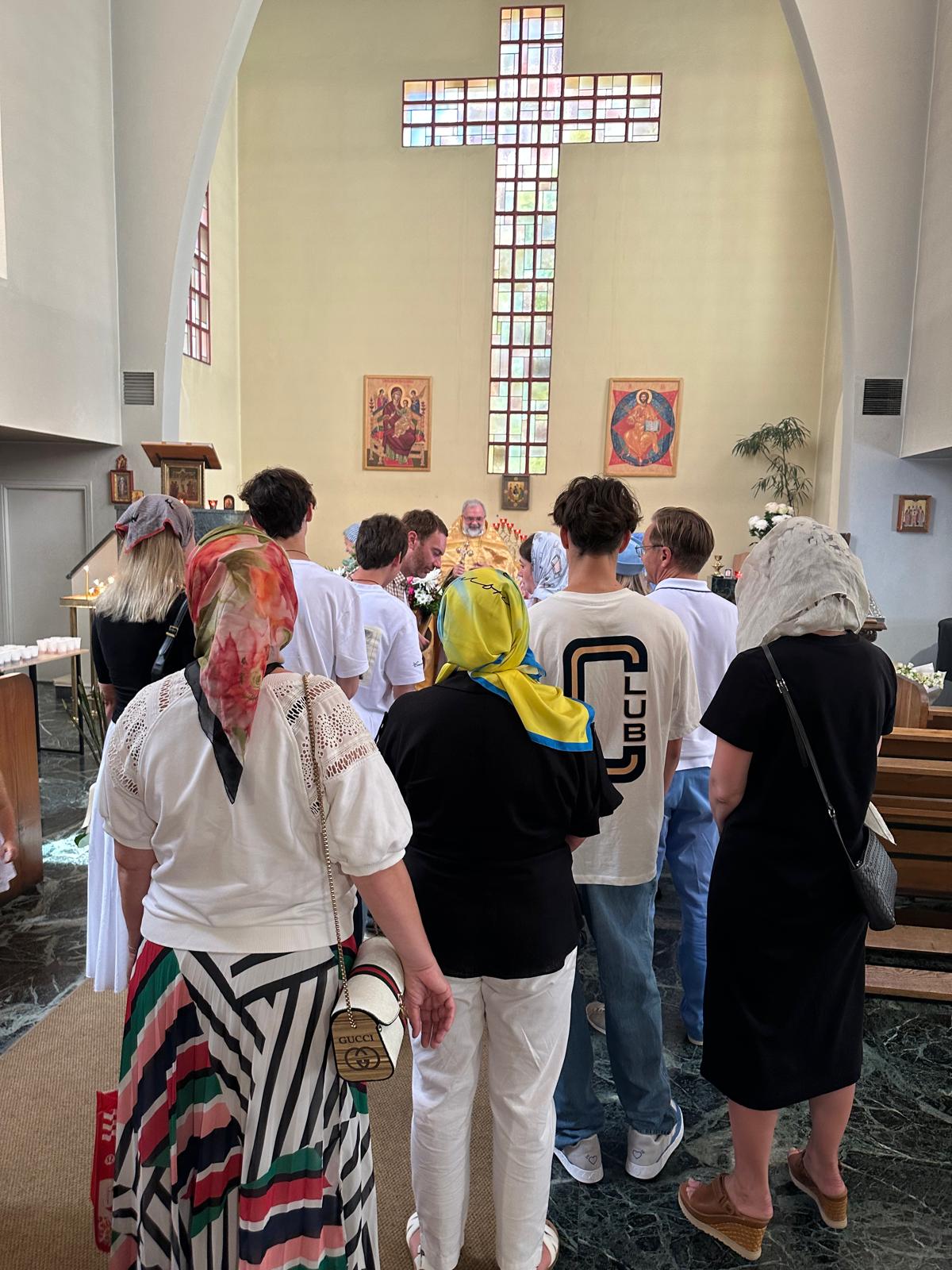
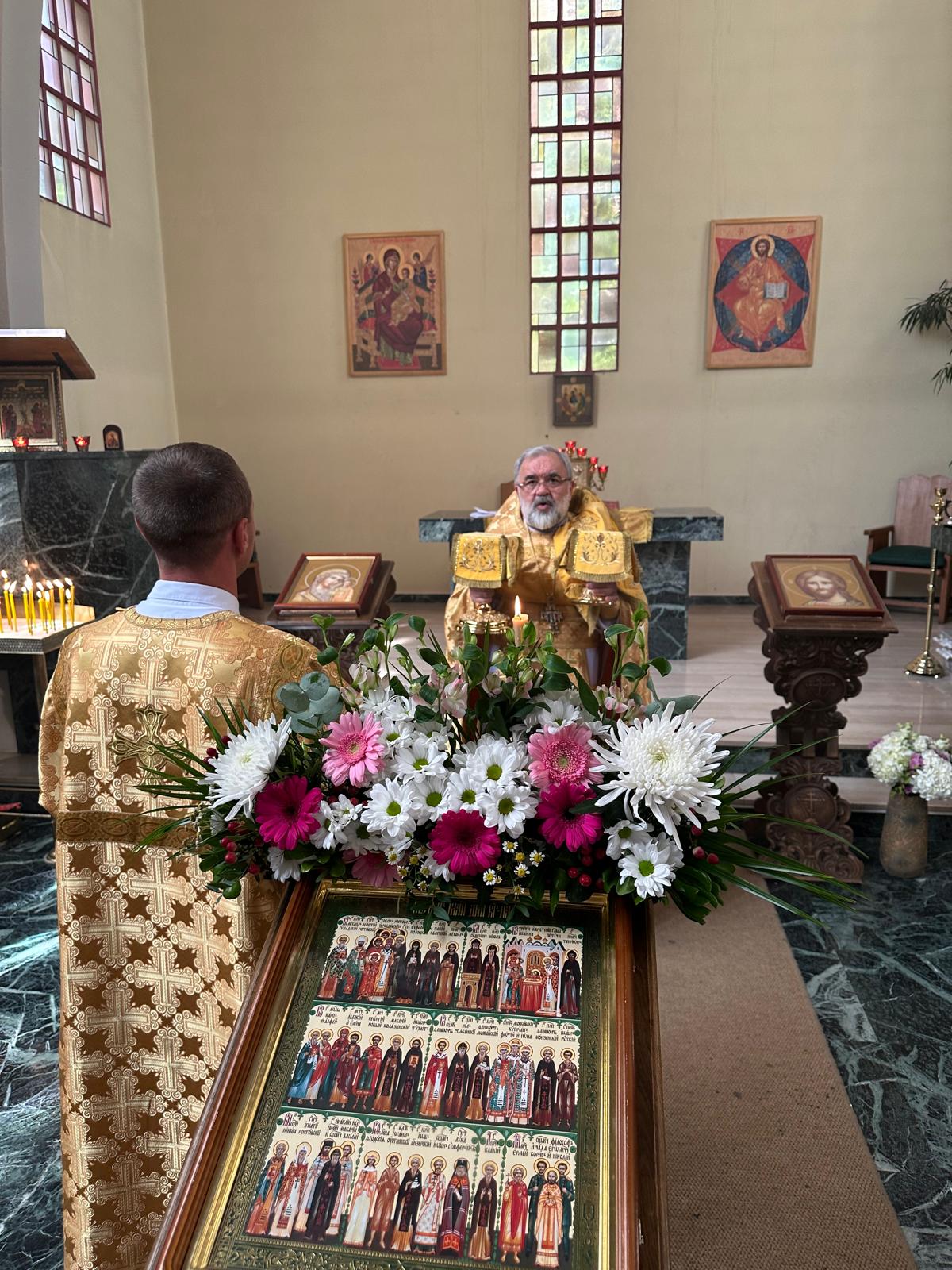
Fraternal correction is an attempt to help another person recognize his mistakes and amend his life. Condemnation, however, consists not only in disapproving of a person’s actions, but also in a hidden disbelief in the possibility of that person’s repentance, correction, and spiritual transformation.
There are other important aspects to this matter as well. In particular, the right to offer correction belongs above all to one who sincerely strives to live according to the moral principles that he professes. Furthermore, the motives behind such admonition are of great importance: if it proceeds from genuine concern for one’s neighbour and a desire to help, it may bring spiritual benefit. If, however, it springs from irritation, pride, or hostility, even words that are objectively correct may fail to achieve their purpose.
And how, then, can one avoid the temptation of exalting oneself above others while seeking to correct them?
(The final paragraph reflects the personal opinion of the author of the text.)