




On Saturday of the 2nd week of Great Lent, the Divine Liturgy was celebrated, presided over by the rector of our parish, Archpriest Vadim Zakrevsky.
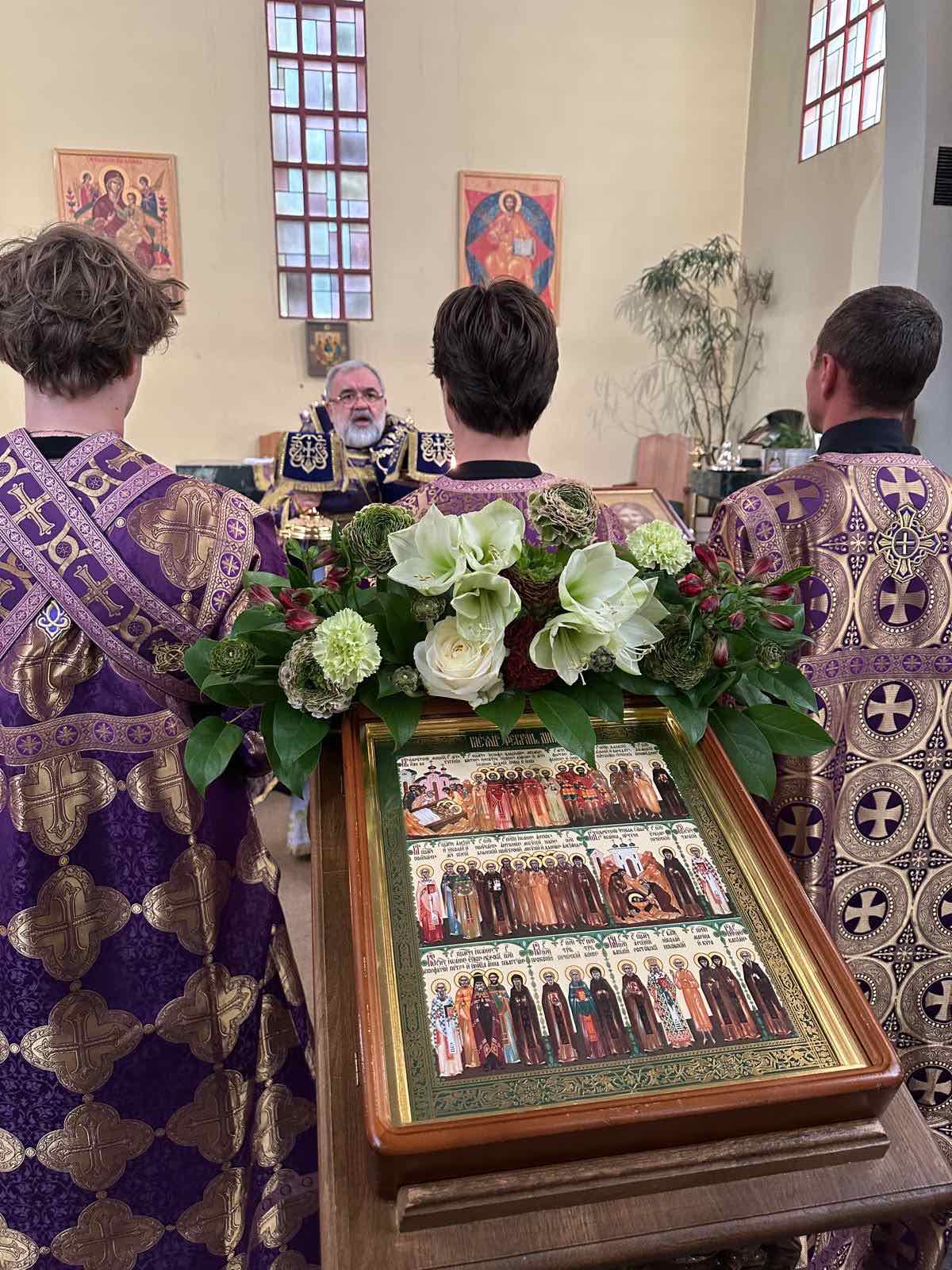
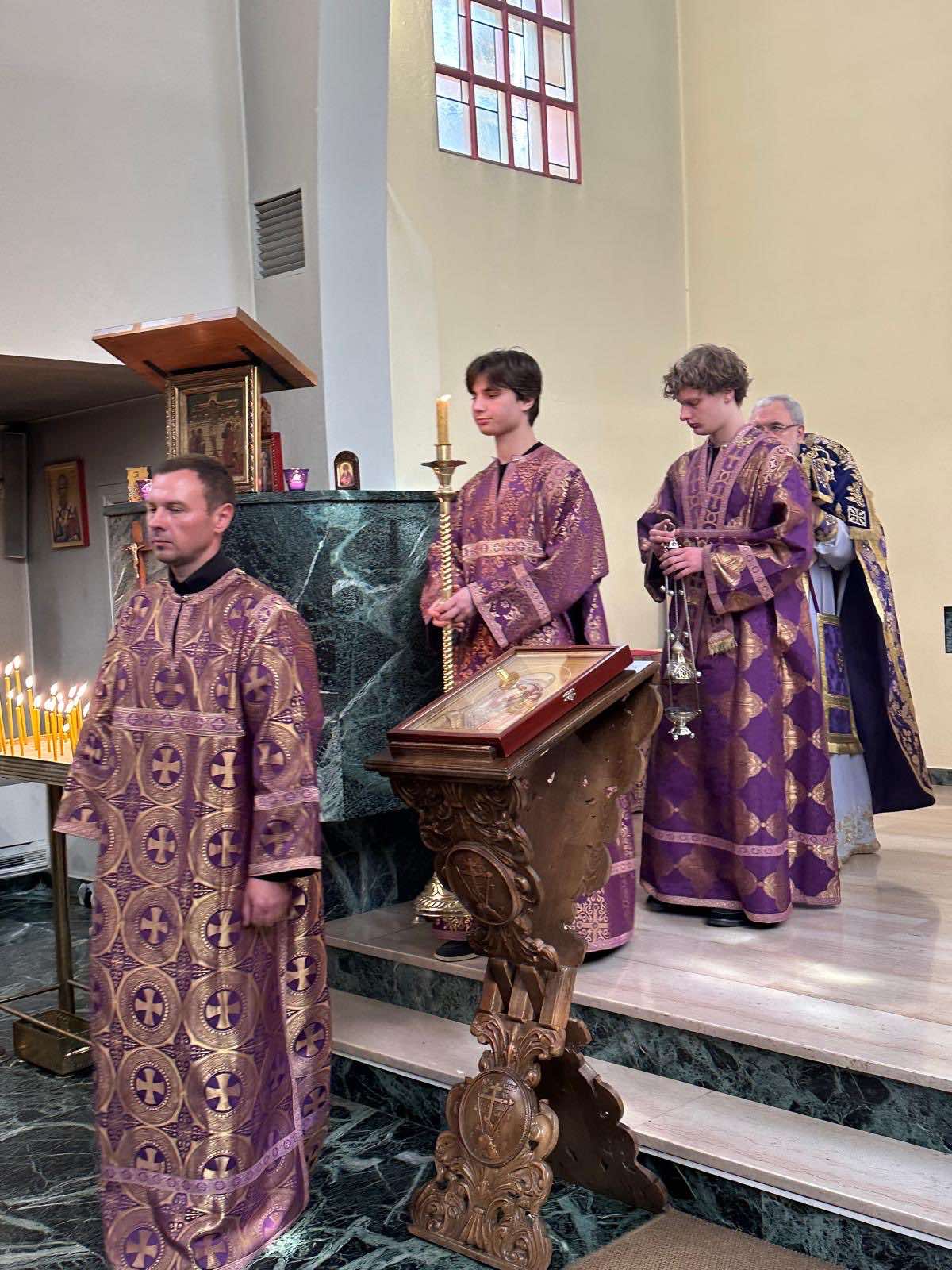
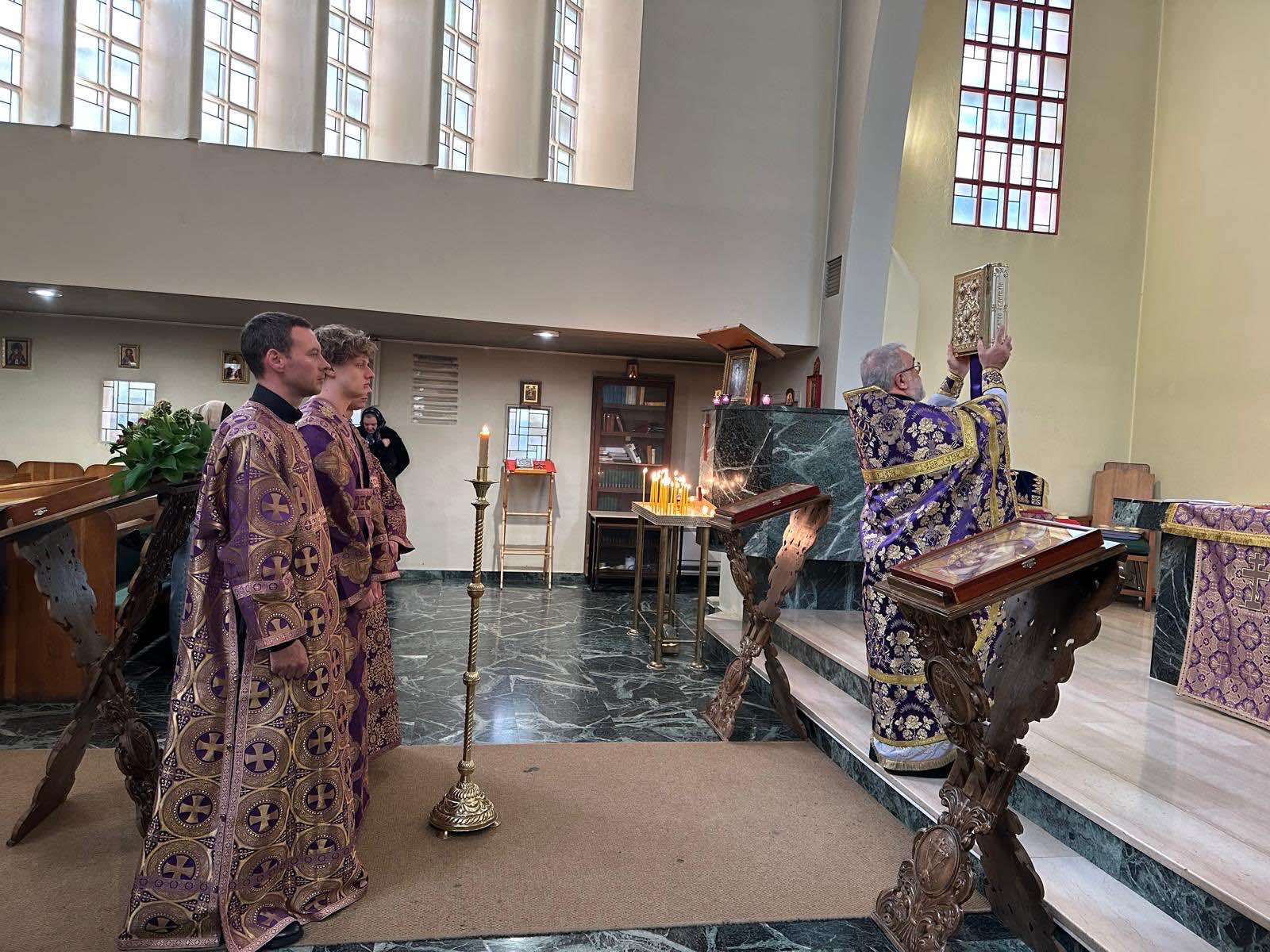
Returning to the events described in the Gospel reading of this day, the rector drew attention to two particular points.
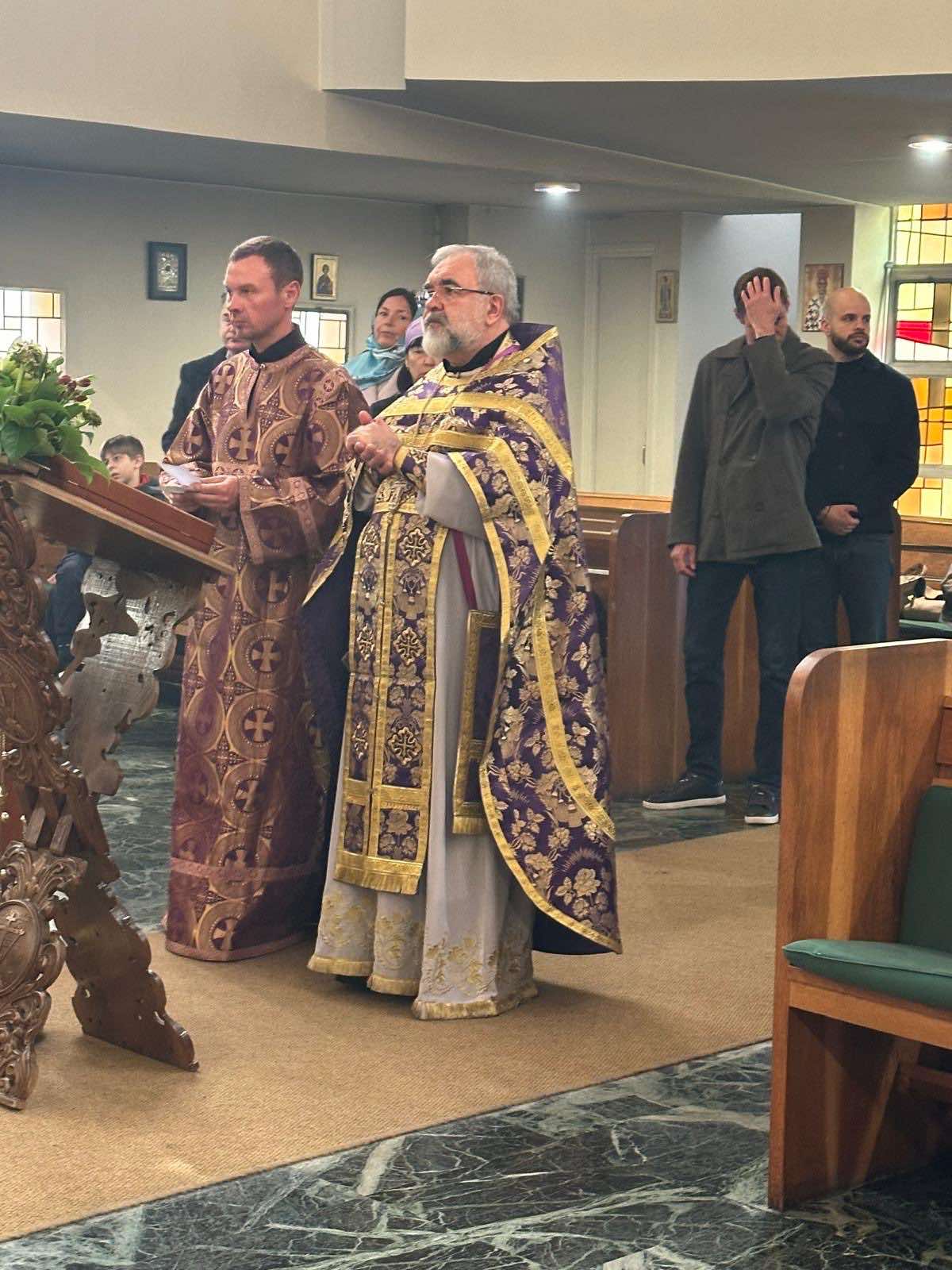
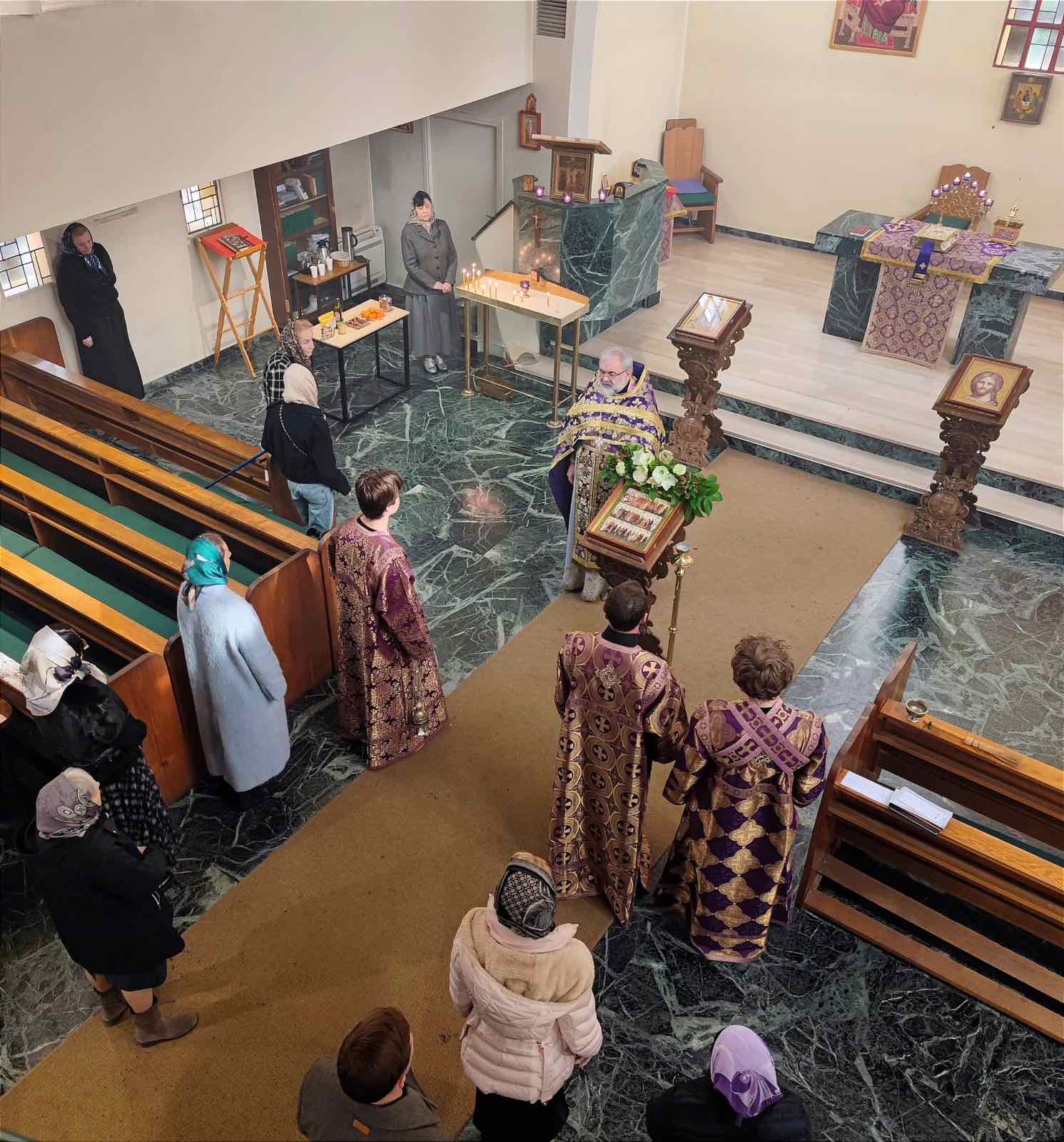
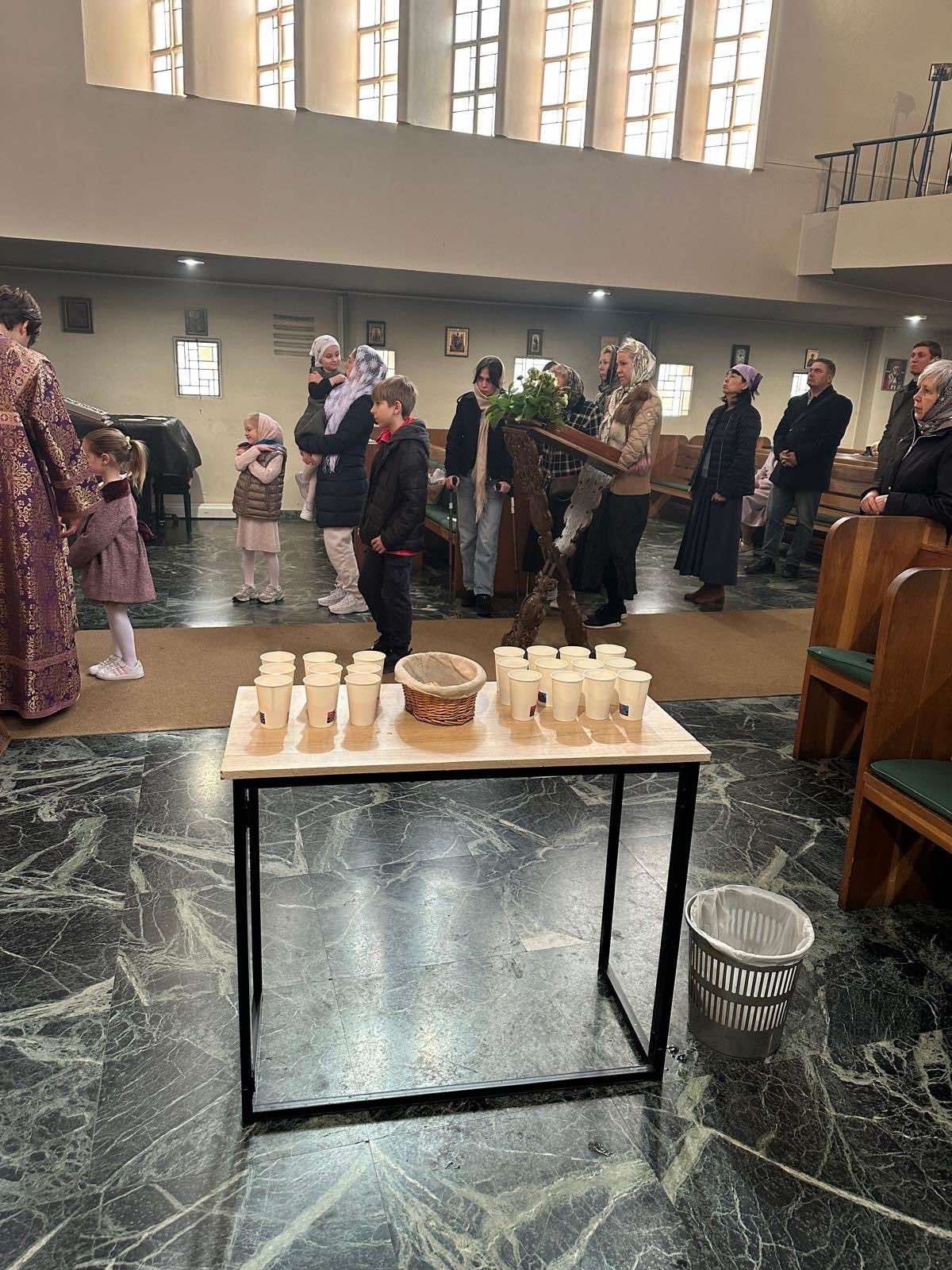
First. After being in Capernaum with His disciples and performing miracles there, early the next morning the Lord went alone to the far outskirts of the city in order to pray quietly in solitude. When the disciples, who had awakened later, found Him there, they told Him that many people in Capernaum were looking for Him. This was natural after the miracles that had taken place the day before. Some hoped that miracles would happen again the next day; others, on the contrary, wanted to come with accusations and reproaches; and some simply wished to observe how the events would unfold.
However, the Lord told the disciples that they would not return to Capernaum but would go to preach in another town — something that, from a purely human point of view, does not quite follow the logic of the previous day’s events.
On the way to another town, Christ and His disciples met a leper, whom the Lord healed at his request. At the same time, He asked the man who had been healed not to tell anyone about the miracle that had taken place.
What has been said above, first of all, returns us to a thought that has been voiced more than once: good deeds — if healing can be placed in this category, although it probably belongs to a higher category than ordinary good deeds — should ideally be done not publicly but, as it were, in quietness and privacy, without seeking worldly recognition.
The second point explaining such behavior of the Lord is that the people who saw and heard about the miracles, in their sincere zeal, would have wished to proclaim Jesus as the King of the Jews. If this had happened immediately within the framework of worldly power structures, an earthly kingdom of Israel would have emerged, opposing the Romans. In that case, the Lord would have become the leader of an earthly uprising, which would have been completely inconsistent with His earthly mission — a mission that consisted precisely in the redemption of the sins of all people, rather than in occupying any particular position within a worldly hierarchy.
This point is therefore fundamental for understanding both the meaning and the inner logic of the Savior’s earthly path.
Since on this day the Church also commemorates the departed, we would like to cite a sermon by Archimandrite Kirill (Pavlov) — a spiritual elder of the Holy Trinity–St. Sergius Lavra, deeply venerated by the Orthodox faithful. During more than forty years of his ministry in the Lavra, Archimandrite Kirill constantly delivered sermons and spiritual instructions during the divine services.
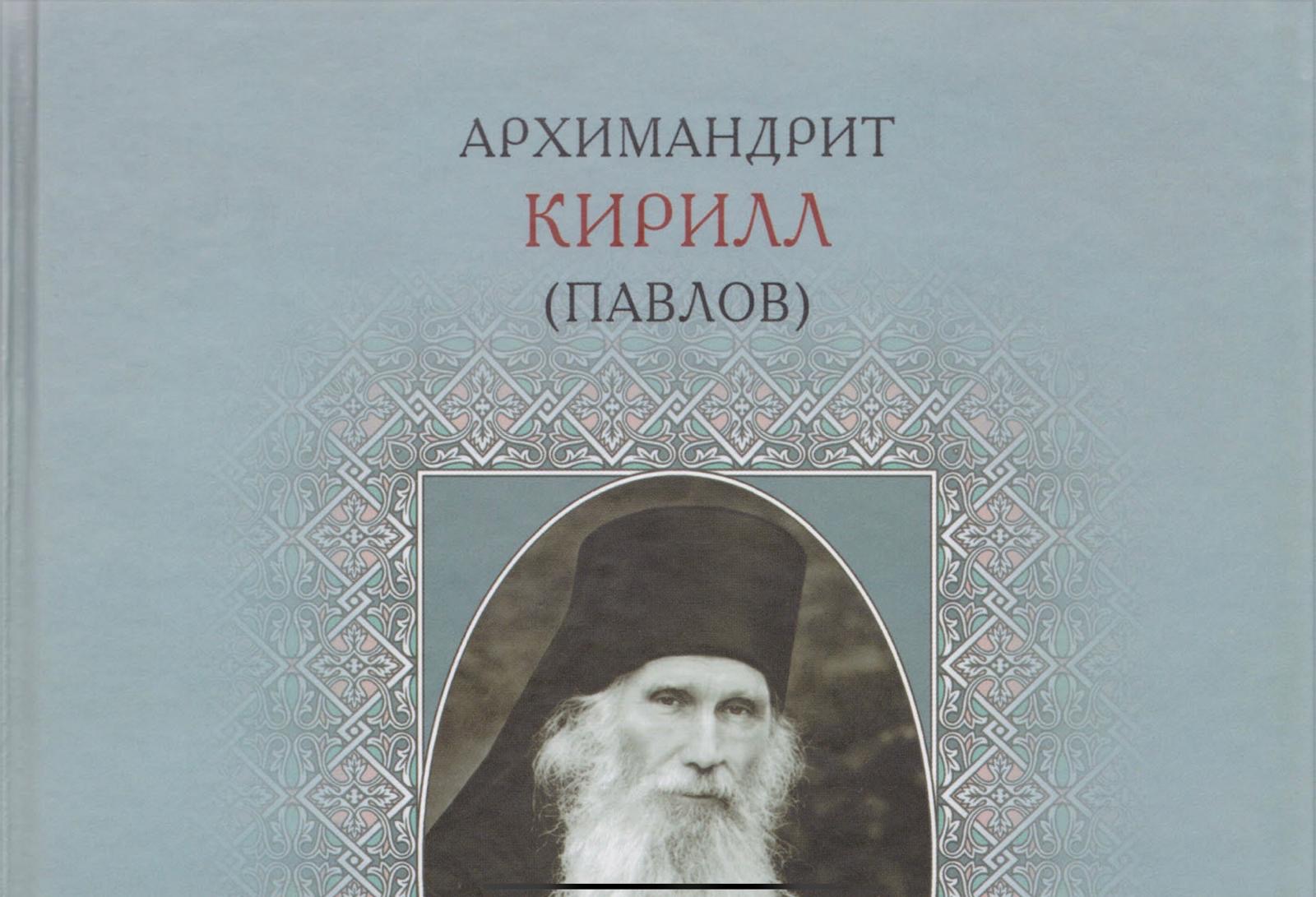
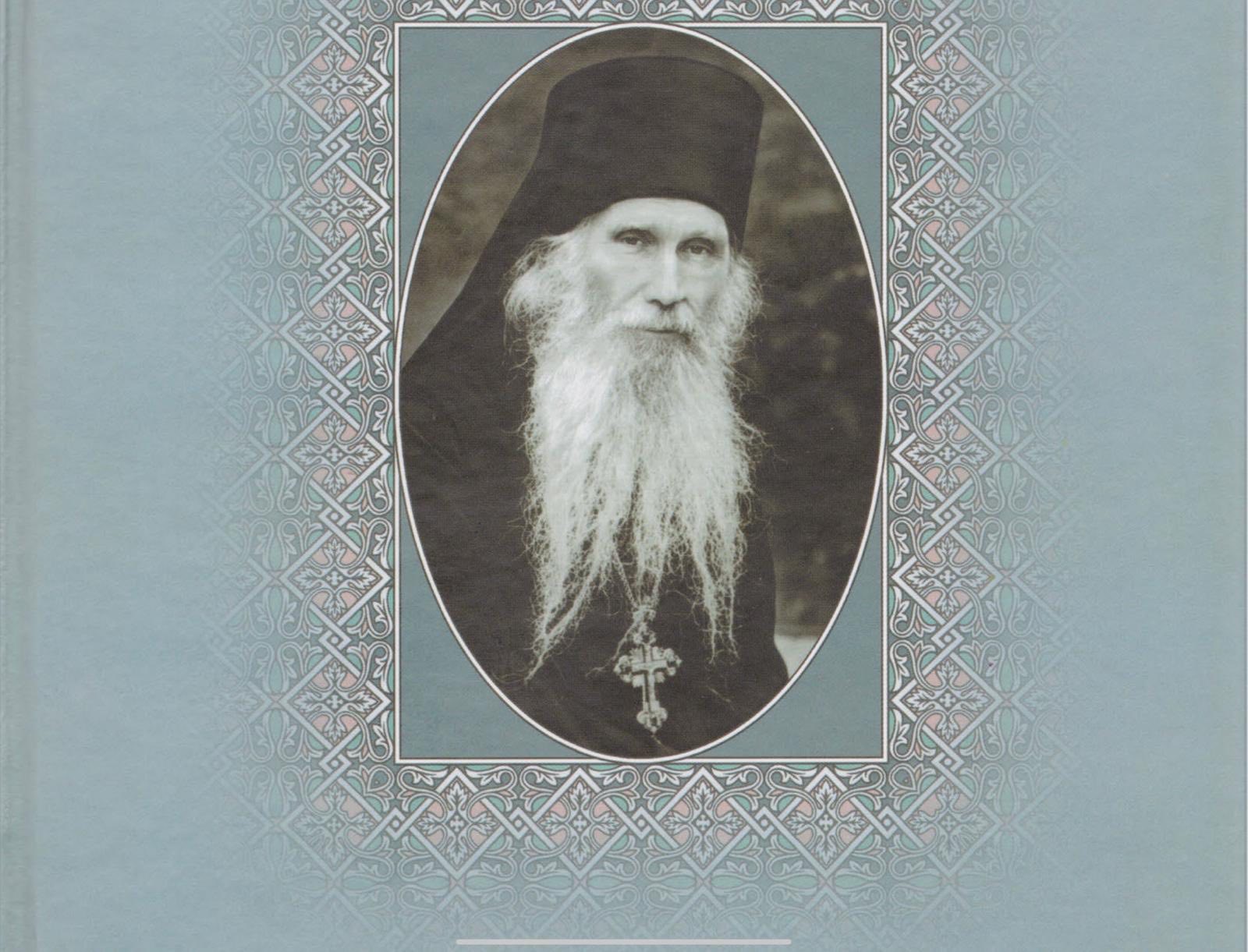
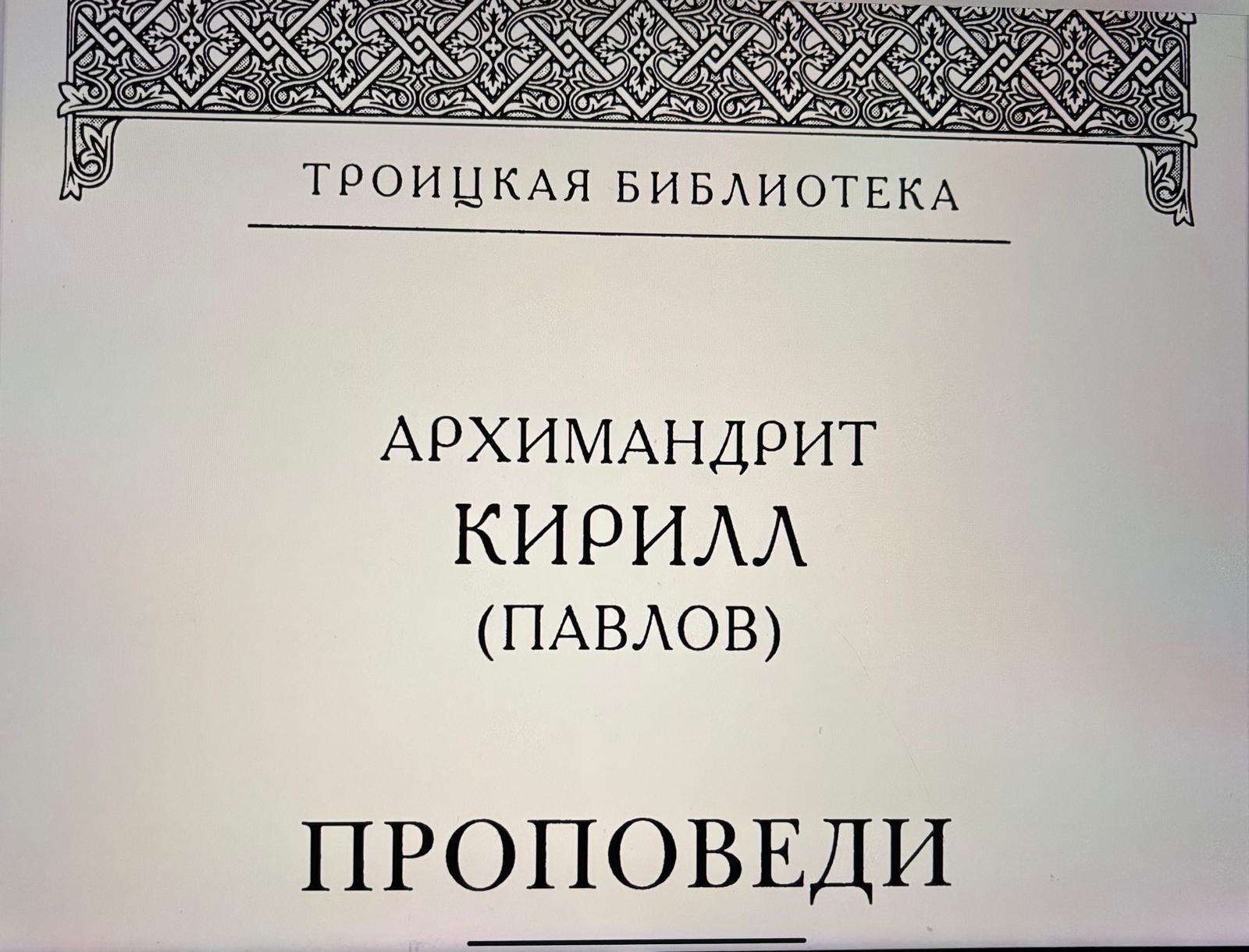
“On the Certainty of the Future Eternal Life Beyond the Grave”
(Sermon for the Memorial Saturday of the 2nd Week of Great Lent)
“In the Name of the Father, and of the Son, and of the Holy Spirit!
Beloved brothers and sisters in Christ!
The Holy Church, like a tender and loving mother who cares not only for the salvation of the living but also extends her care to the souls of our departed fathers and brethren, has gathered us today so that we may raise our prayers to the Lord for the repose of all the departed in a place of light, in a place of rest.
As we offer these prayers, we should have no doubt that they are pleasing to the Lord and that He receives them as a sacrifice that beneficially affects the state of the souls of the departed. We must not forget the departed, for they are our brethren according to spirit and flesh, who now live in another world and await our prayerful help. If the abyss in which the souls of the departed dwell were opened before us, we might see a touching image of their silent supplication to the living members of Christ’s Church — a plea that we help them with our prayers.
While praying for the departed, we must also prepare ourselves for the passage into the other world by remembering more often the hour of our own death and strengthening our faith in the life to come. Unfortunately, in our time some people completely deny the existence of the immortal soul and the reality of life after death. Yet faith in the immortality of the soul is the chief source of a person’s moral and rational life. Depending on how a person relates to faith in the future life, a particular worldview is formed in him, a certain understanding of his earthly existence.
If a person firmly believes in the life to come, he strives to live his earthly life virtuously and without sin, avoiding every evil. But when the memory of eternity is forgotten, a person walks in darkness and does not know where he is going. Earthly life then appears to him as a vain and accidental gift, and sometimes such people become disappointed in their earthly life and even end it by suicide.
There is no reason to doubt that the future life beyond the grave truly exists, for there are many significant proofs supporting this truth.
First of all, dear brothers and sisters in Christ, in all times and among all peoples, alongside faith in the divine there has always existed faith in life after death. Greeks, Romans, Persians, Arabs, Hindus, and even the most primitive tribes — all, in one way or another, believed and still believe that human life does not end with death. This universality of belief in the existence of the other world has great instructive significance for us, because it clearly shows that the future life truly exists, since belief in it is embedded in the very nature and consciousness of every human being.
Another important proof of the existence of the future life is given by sound reason itself, which convinces us that beyond this present life there is another life to come. Let us look at the visible external world. As the ever-memorable Metropolitan Philaret (Drozdov) of Moscow once said:
“In the whole world one cannot find an example, a sign, or proof of the destruction of even the smallest thing. There is no past that does not prepare the future, no end that does not lead to a beginning. Every particular life descends into its proper grave only to leave there its worn-out garment, and itself rises into another sphere of life to be clothed in a new and beautiful garment. The sun sets in order to rise again; the stars die in the morning to be reborn in the evening. Rivers are buried in the sea and are reborn in springs. The whole world of earthly vegetation dies in autumn and rises again in spring. A grain cast into the earth dies there in order to rise again in a new stalk. A crawling worm dies, and a winged butterfly rises in its place. If the lower creatures perish only to be recreated in new life, can man — the crown of creation and the beauty of the universe — be worse than a worm or a grain of mustard seed?”
Another proof of immortal life comes from the very nature of our soul. We firmly believe that God exists and know that He is just and all-holy. He has placed within our nature a striving for good and an aversion to evil. Many people truly strive to do good, taking upon themselves the difficult подвиг of self-sacrifice.
Yet we see that in this life the wicked often enjoy prosperity, while the righteous suffer until death, and often precisely because of the wicked. If there were no other life and no reward according to one’s deeds, it would mean that God is unjust and unholy — unmerciful toward the righteous and too indulgent toward sinners. But this is impossible; therefore there must be another life in which each person receives according to his deeds.
For a believer, an essential proof of the existence of the future life is Holy Scripture. For an Orthodox Christian, Scripture is the source of all knowledge, including knowledge about the life to come. Even in the Old Testament this mystery was revealed to humanity, and people believed in the future life. The wise Solomon says:
“Then the dust will return to the earth as it was, and the spirit will return to God who gave it.” (Ecclesiastes 12:7)
In the New Testament this truth is revealed with even greater clarity.
The Lord Himself in the Holy Gospel repeatedly assures us of the existence of life beyond the grave:
“Truly, truly I say to you, the hour is coming… when the dead will hear the voice of the Son of God, and those who hear will live… and those who have done good will come forth to the resurrection of life, and those who have done evil to the resurrection of condemnation.” (John 5:25, 29)
The holy Apostles, having firm faith in the future life, built all their epistles upon this unshakable faith. The holy Apostle Paul proclaimed:
“For as in Adam all die, so also in Christ shall all be made alive… As we have borne the image of the man of dust, we shall also bear the image of the Man of heaven.” (1 Corinthians 15:22, 49)
Finally, there is also experiential evidence of the reality of the future life — the appearances of the souls of the departed…
Dear brothers and sisters, let us pray to the Lord for our departed relatives, that He may forgive their sins and grant them rest in the dwellings of the righteous.
With the saints give rest, O Christ, to the souls of Thy servants, where there is neither sickness, nor sorrow, nor sighing, but life everlasting. Amen.”
For those who would like to read the book in full:
https://azbyka.ru/propovedi/wp-content/uploads/bg_forreaders/Arkhimandrit_Kirill_Pavlov_-_Propovedi.pdf
Also based on materials from the website azbyka.ru.